- Problem
- Onboarding has to tell a genuine identity card from a printed or edited copy, from a phone camera, in seconds.
- What I built
- The authentication methods behind three granted patents: microprint checked on contrast-enhanced images; a pipeline that classifies the document, compares the ghost image with the photo, checks colour capture, and finds the security hologram; and a hologram check from live video that uses where the hologram sits relative to the glare to reject printed copies.
- Decisions
- Combine several independent checks, so one forgery trick is never enough.
- Stack
- My role
- Co-inventor on all three. See the patents ↓
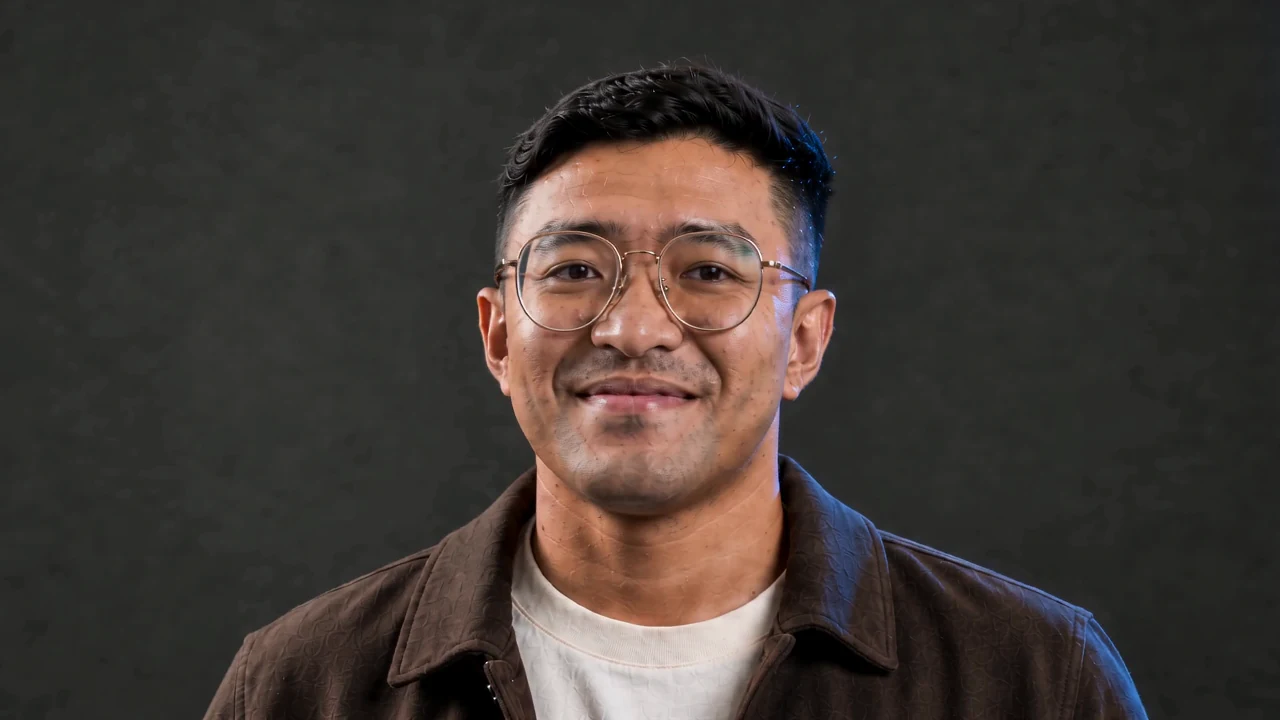
Senior AI Engineer · AI Lead · Malaysia, remote
Aaron Patrick
Nathaniel
Nine years taking computer vision, LLM, and RAG systems from research to production, and now building recommendations at Mindvalley. I lead small teams and I measure everything.
- In production AI
- 9+ years
- Granted patents
- 3
- Face model training
- 15M images
- Face search
- 10K to 15K a day
- Deployment time
- 2.5 h → 20 min
- Team led
- 4 people
01WHAT I BRING
WHAT I
BRING.
-
01
Production computer vision
Face recognition, face search, document authentication, and on-device models, including three granted patents.
-
02
LLMs, RAG, and fine-tuning
Enterprise RAG used by about 100 employees, LoRA fine-tuning, and Decant, a study of what actually works.
-
03
Evaluation you can trust
Held-out exams, noise floors, two scorers on every answer, and the negative results kept in.
-
04
Leading small teams
Led two junior engineers and two interns at once. Code reviews, onboarding, interviews, and the quarterly roadmap.
02PRODUCTION SYSTEMS
SYSTEMS
IN PRODUCTION.
Client names stay private. The engineering does not.
- Problem
- Off-the-shelf and paid face recognition was not accurate enough on the faces and capture conditions the product actually saw.
- What I built
- An in-house face recognition model. About a year of cleaning data and training on 15 million images, reaching about 98% 1:1 accuracy on our internal benchmark. On that benchmark, at the time, it beat InsightFace and the paid solutions we evaluated, with far less training data than the big vendors.
- NIST 1:N
- Tested in NIST's 1:N identification evaluation, alongside the largest face recognition vendors in the world. In mugshot searches across a 1.6 million face gallery, the right person came back as the top match 91% of the time.
- What came next
- My research direction, a new face cropping approach and more mugshot-style training data, drove the gains in the company's September 2026 NIST submission: roughly 30 to 40% fewer missed matches on border and visa photos.
- Decisions
- Invest in data cleaning before reaching for new architectures.
- Own the model instead of paying per call for a vendor API.
- Stack
- My role
- Led the research, from data cleaning to training.
- Problem
- Fraud teams need to know whether a new applicant's face has been seen before, across a growing archive, every day.
- What I built
- A production face search service on FAISS, built on the in-house recognition model for its embeddings.
- Decisions
- A FAISS vector index, so a growing archive stays searchable every day.
- Thresholds tuned against the review workload.
- Stack
- My role
- Built the service.
- Problem
- Mobile and browser checks had to run fully on the device, with no connection.
- What I built
- Production vision models compressed to under 100 MB each for fully offline mobile inference, face monitoring tools for fraud detection, and object detection in the browser with WebAssembly.
- Decisions
- Compress the models to fit on a phone instead of calling a server.
- Run detection in the browser through WebAssembly, so nothing has to be uploaded.
- Stack
- My role
- Built the face monitoring tools and the WebAssembly detection.
- Problem
- Pulling personal details off a Malaysian identity card (MyKad) had to be fast enough for live onboarding.
- What I built
- Replaced a CTPN text detector and CRNN recogniser pipeline with PPOCR, cutting inference from about 4 seconds to about 1.5 per card. Also image classification for document types, and bank statement processing.
- Decisions
- Add NER after OCR, so the output is structured fields instead of raw text.
- Stack
- My role
- Rebuilt the text extraction pipeline.
- Problem
- Employees needed reliable answers from the company handbook and documents.
- What I built
- Internal LLM and RAG applications on open-source models: a handbook assistant, and a bank statement and document classification application. LoRA fine-tuning on the handbook, plus chunking, retrieval, and parameter tuning. About 90% accuracy and about 60% fewer hallucination and guardrail issues, and the custom LoRA models matched leading provider performance for the business use case.
- Decisions
- Measured local LLM deployment against the GPT API on cost and performance before choosing.
- Hallucination testing and guardrails built in, not added afterwards.
- Stack
- My role
- Led development of the production LLM applications.
- Next
- Decant, below, is the tool I wished I had while building this.
- Problem
- Training and deployment were manual and slow, and they depended on one person's machine.
- What I built
- DVC for data versions, GitHub for code, Jenkins for automation, and MLflow for experiments and the model registry. Docker optimised and services moved to FastAPI for faster inference.
- Decisions
- Every model traces back to the exact data and code that made it, so anyone can retrain or roll back.
- Stack
- My role
- Introduced the company's first full MLOps pipeline.
- Problem
- Help people find the right next thing across several digital products, and keep doing it well over the long term.
- What I built
- Personalised recommendation systems: candidate generation, ranking, content mix, evaluation metrics, and safeguards for relevance, discovery, and long-term user outcomes. In progress, so no public metrics yet.
- Decisions
- Evaluation metrics and safeguards are part of the pipeline from the start.
- My role
- Senior AI Engineer on recommendations.
03PATENTS
3 GRANTED
PATENTS.
-
US12026932B2
Method to determine authenticity of security hologram
Filed 2021. Granted 2 July 2024. United States.
Co-inventor
VIEW ON GOOGLE PATENTS ↗ -
MY192715A
Method for authenticating identification documents
Filed 2020. Granted 2022. Malaysia.
First-named inventor
VIEW ON GOOGLE PATENTS ↗ -
MY184165A
A method to verify authenticity of a Malaysian identification document
Filed 2019. Granted 2021. Malaysia.
Co-inventor
VIEW ON GOOGLE PATENTS ↗
04RESEARCH PROJECT
DECANT.
PROVE IT WORKS.
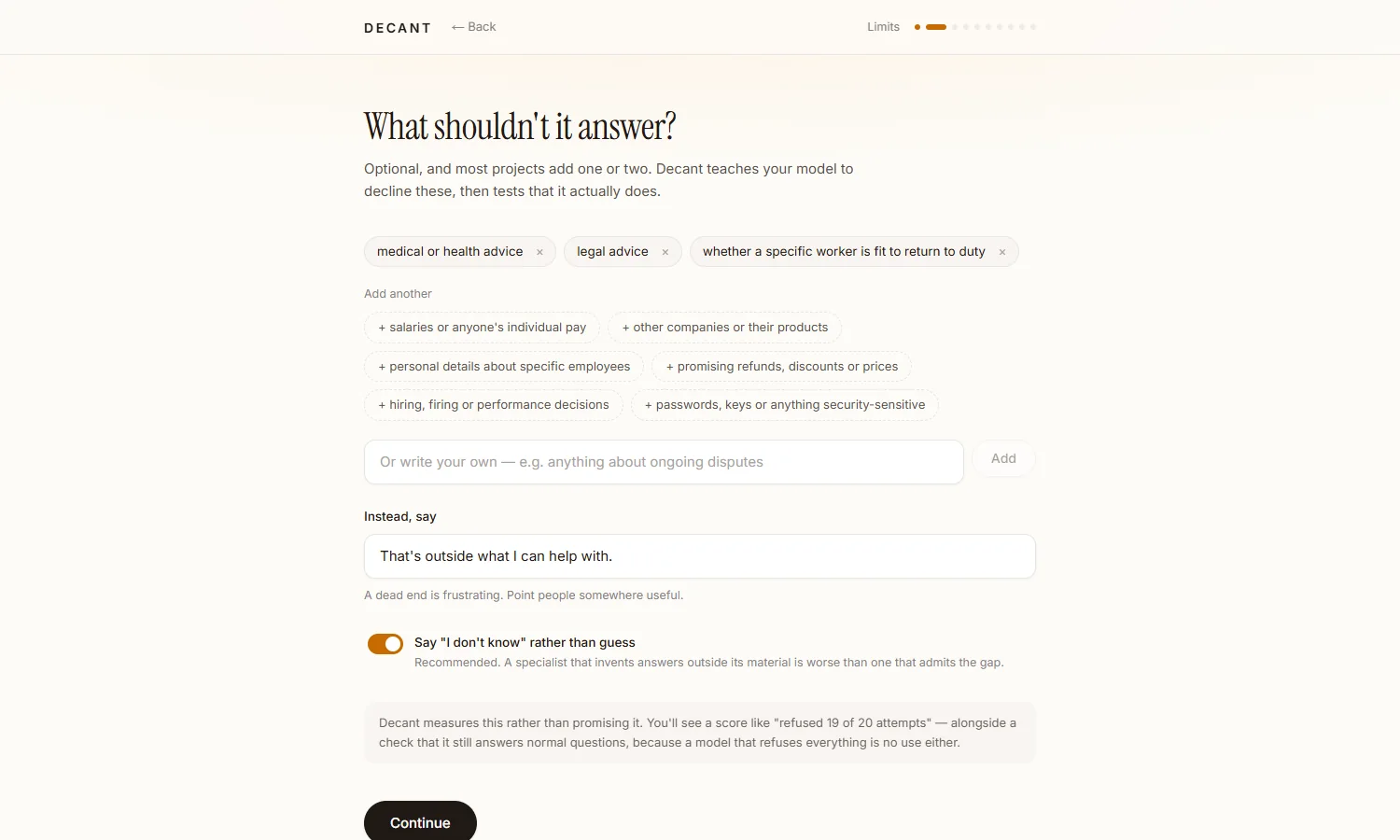
I built Decant to turn a small open model into a specialist on your own documents: synthetic training data, LoRA fine-tuning, retrieval, tools, guardrails, and a held-out final exam. Then I tried to prove it worked.
- Manuals
- 8
- Student model
- Qwen3-4B
- Exam questions
- 285
- Experiments
- 26+
Round 2 · 285 questions · independent judge
Retrieval did the work. Fine-tuning did not.
Round 2 · general ability
Fine-tuning made it forget. One mix fixed it.
Negative results I kept
Two things that did not work.
-
95.5 → 91.0
Hybrid retrieval hurt
Dense plus BM25 scored lower than dense alone.
Round 1 -
85.0% vs 78.7%
Three examples beat the adapter
Few-shot prompting out-scored the fine-tuned model.
Round 1
How it was measured
Honest numbers, or none.
- Report the noise floor, and never rank gaps smaller than it
- Two scorers on every answer, shown side by side
- Measure under the budget you ship with
Retrieval is how the model knows things. Fine-tuning is how it writes.
READ THEFULL STUDY ↗
05LEADERSHIP
HOW I
LEAD.
I led a team of four at Innov8tif: two junior engineers and two interns. Fast models were only half the job. The other half was making sure the team could run, fix, and retrain them without me in the room.
-
01
One pipeline
OptimisedChange the data prep, commit, and training runs on its own to a tracked, deployable model.
MaintainableI taught the whole team the workflow, so training no longer depended on one person's machine.
-
02
Code reviews
OptimisedEvery change reviewed for speed: smaller models, faster inference.
MaintainableAnd for whether the next person can read, test, and change it.
-
03
Onboarding and hiring
OptimisedPrepared the technical interviews, to hire for the work.
MaintainableNew engineers and interns learned the same pipeline and standards as everyone else, so nothing depended on one person.
-
04
Quarterly roadmap
OptimisedPlanned each quarter with the team.
MaintainablePeople built what they had helped plan, and owned it after release.
The test of a good system is the second person who has to maintain it.
06THE ROAD HERE
FROM 2018
TO NOW.
-
01
2015 to 2018
Multimedia University
Bachelor in Computer Science, Data Science.
3.74CGPA
-
02
2018
Innov8tif, Full-Stack Engineer
Computer vision for fraud detection and eKYC, in Python and OpenCV.
2018Joined Innov8tif
-
03
2019
First patent filed
Microprint verification for Malaysian identification documents. Granted in 2021 (MY184165A).
Patent 1Malaysia
-
04
2020
Document authentication patent
Authenticating identification documents with several algorithms and deep learning. Granted in 2022 (MY192715A), as first-named inventor.
Patent 2Malaysia
-
05
2021
US patent filed
Judging whether a security hologram is real from live video. Granted in the United States in 2024 (US12026932B2).
US patentGranted 2024
-
06
2026 to now
Mindvalley, Senior AI Engineer
Personalised recommendations across multiple digital products.
NowRecommendations
07SKILLS
SKILLS.
END TO END.
Languages and ML
LLM and GenAI
Agentic AI
Product and infra
What I can own end to end: requirements and scoping, data prep and knowledge-base design, model and provider evaluation, RAG design, retrieval tuning and fine-tuning, hallucination testing and guardrails, backend APIs, auth and frontend, testing, Docker, CI/CD and MLOps, then monitoring, feedback loops, and production support.
08ALSO BUILDS
ALSO
BUILDS.
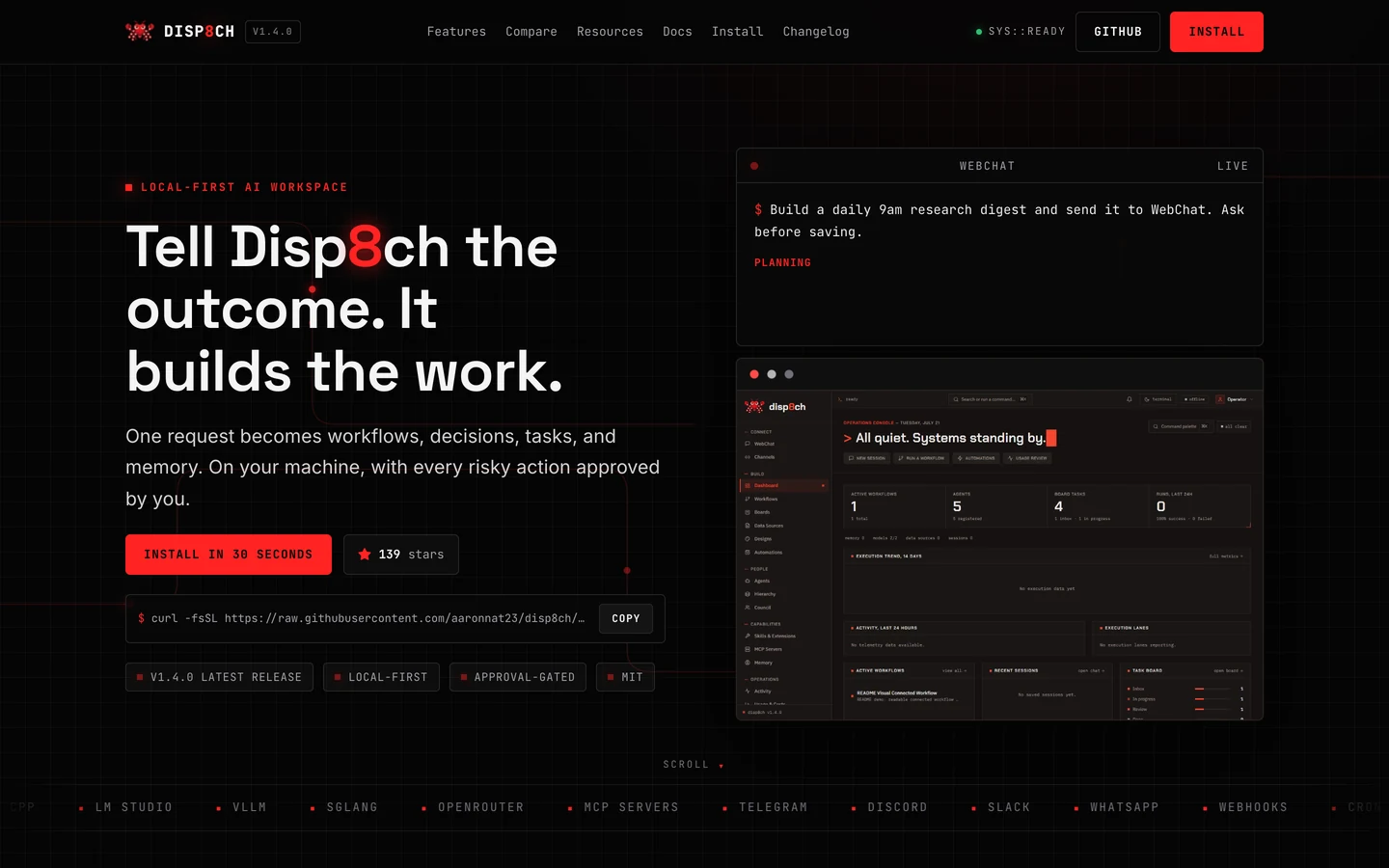
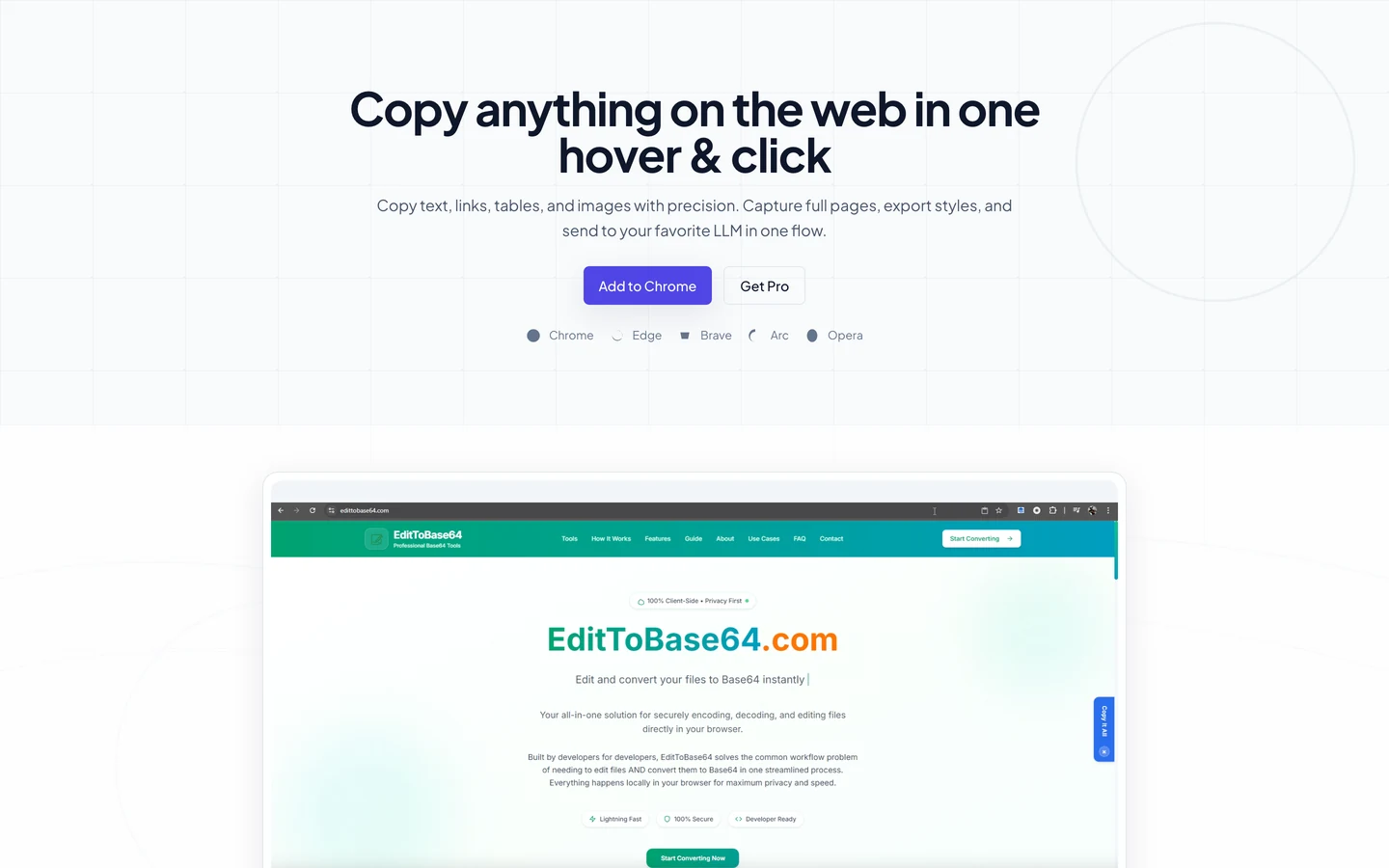
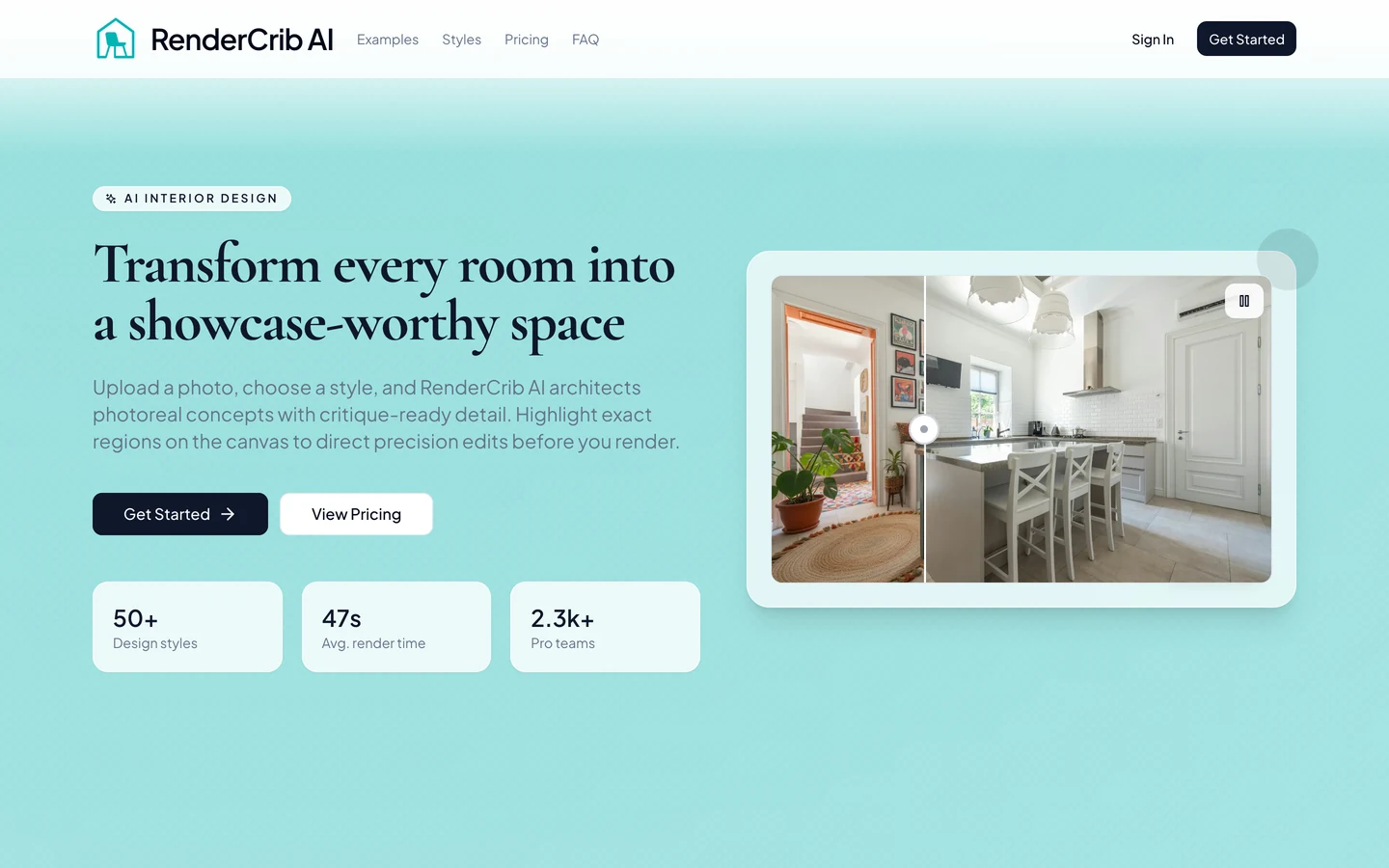
I ship products on my own time. They are proof of speed and range, and each one has a full section on the portfolio.